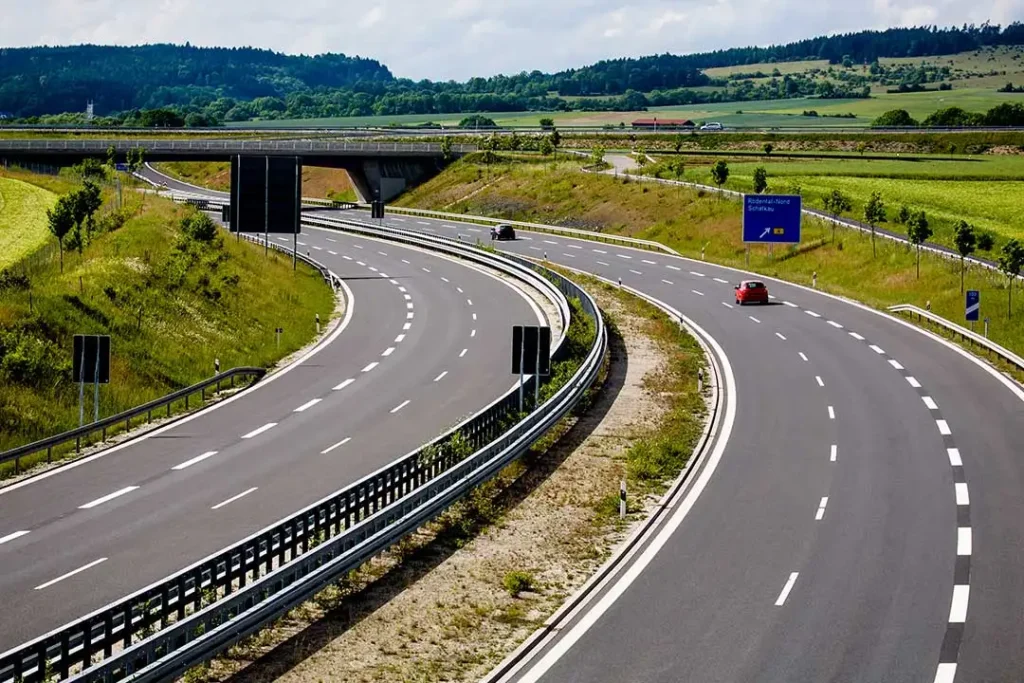
India possesses one of the largest road networks in the world, extending over approximately 5.89 million km. This extensive network carries around 64.5% of the nation’s freight and facilitates nearly 90% of total passenger movement. Road transportation has steadily grown due to improved connectivity between cities, towns, and rural areas across the country.
Indian roads handle almost 90% of passenger traffic, with automobile sales and freight movement by road expanding rapidly.
Steel Mantra Global is a unique B2B digital collaboration platform serving the Infrastructure and Construction industry.
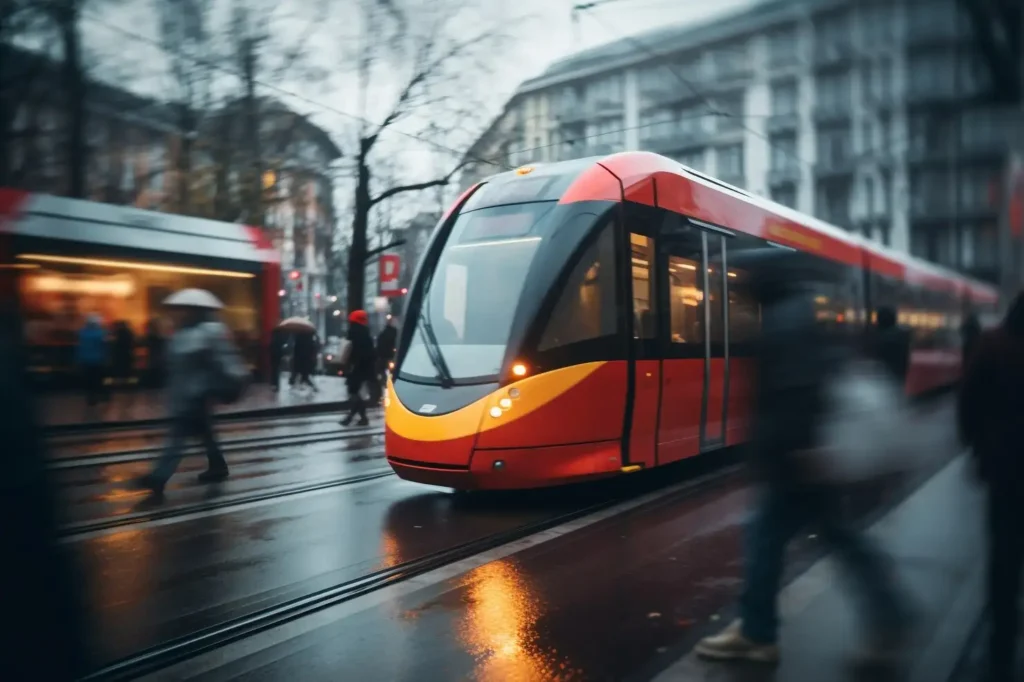
Metros and monorails are integral components of India’s urban mass rapid transit system, forming part of the semi-rapid rail sector. Currently, India has 13 operational metro systems and 8 under construction across 21 cities. Mumbai introduced the country’s first operational monorail, which primarily functions as a feeder system to metro networks. The Mumbai Metropolitan Region Development Authority (MMRDA) first proposed the monorail in 2005 to address slow, overcrowded bus services in narrow city areas, which contributed to traffic congestion.
High-speed rail projects provide multiple benefits, including reduced carbon emissions, faster and safer travel, a projected 2.7% increase in GDP, and enhanced passenger and freight movement. In 2016, the Government of India launched the Mumbai–Ahmedabad High-Speed Rail Corridor, modelled on Japan’s high-speed rail systems
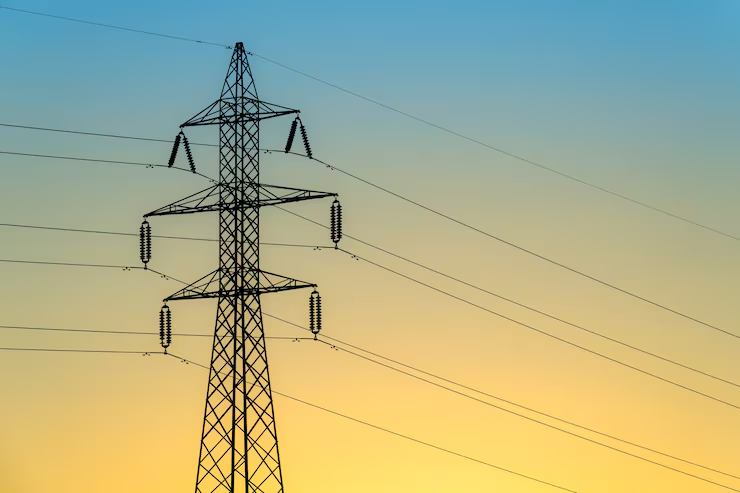
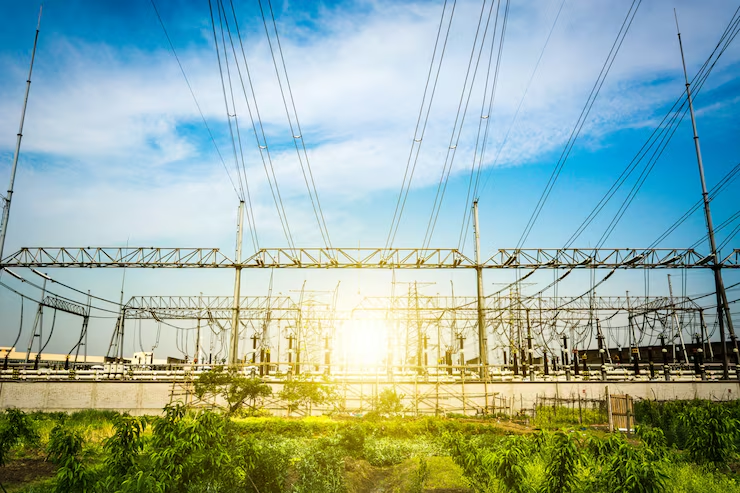
Transmission lines are a critical component of power delivery in India, enabling the evacuation of electricity from generating stations and its distribution to load centers and substations. Efficient operation of the Inter-State Transmission System and the National Grid requires ongoing development and maintenance of the transmission network. Over the years, India has established an extensive network to ensure smooth power delivery nationwide, with nominal extra-high voltage lines including ±800 kV HVDC, 765 kV, 400 kV, 230/220 kV, 110 kV, and 66 kV AC lines.
The Power Grid Corporation of India Limited (POWERGRID) is primarily responsible for the country’s transmission infrastructure. Its mandate includes the transmission of electricity, as well as the establishment and operation of regional and national PowerGrids to facilitate the flow of power both within and across regions.
The aviation sector in India has been one of the fastest-growing industries over the past three decades. India is currently the third-largest domestic aviation market in the world and is projected to surpass the UK to become the third-largest air passenger market by 2024.
To meet the increasing air traffic demand, the Government of India has implemented various policies and initiatives to expand airport infrastructure. The country currently has 486 airports, airstrips, flying schools, and military bases, with 123 airports handling scheduled commercial flights, including some dual-use civilian and military airports. India also has 34 international airports and plans to expand operational airports to 190–200 by FY2040 under the Udaan Scheme. The sector’s growth has driven a rise in aircraft numbers, which are expected to reach 1,100 planes by 2027.
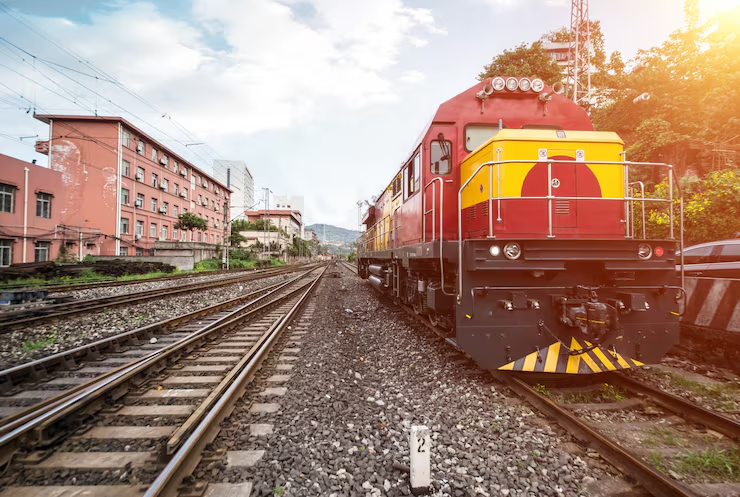
Indian Railways is among the world’s largest rail networks and is recognized as one of the largest railway systems under single management. The network spans 123,542 km, operating 13,523 passenger trains and 9,146 freight trains daily, serving 23 million passengers and transporting 3 million tonnes of freight across 7,349 stations.
In recent years, the Government of India has introduced several investor-friendly policies to boost investment in railway infrastructure. Foreign Direct Investment (FDI) is now permitted in the sector to enhance freight facilities and develop high-speed rail projects.
An industrial corridor is a designated development zone featuring multi-modal transportation networks that connect states or regions and serve as a backbone for industrial growth. These corridors enable strong integration between industry and infrastructure, contributing to overall economic and social development.
Industrial corridors comprise advanced infrastructure including high-speed transport networks, ports with modern cargo-handling facilities, state-of-the-art airports, special economic zones, and transportation hubs supported by integrated logistics parks.
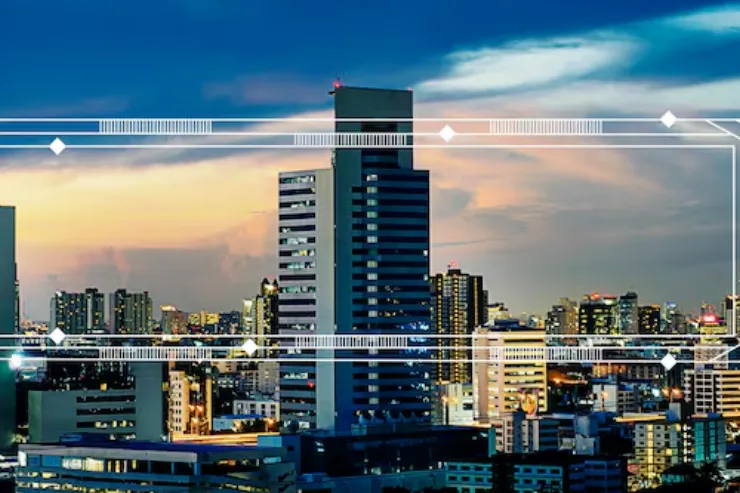
India is experiencing one of the fastest urbanisation rates globally. Urban population is projected to reach 37% by 2050, with Indian cities expected to add nearly 404 million people. By 2030, around 50% of the population will reside in urban areas, and the number of cities with populations exceeding one million is anticipated to increase from 46 to 68.
To support this rapid growth, Indian cities must expand employment opportunities, housing, transportation, and other essential urban infrastructure services. In 2015, the Government of India formally acknowledged the importance of urban development by launching the Smart Cities Mission (SCM), under which 100 smart cities are planned for development.
There is no universal definition of a smart city, as the concept varies across regions. In the Indian context, the Government of India has defined smart cities through infrastructure-focused parameters that emphasise e-governance and citizen services, waste management, water management, energy management, urban mobility, and related urban systems.
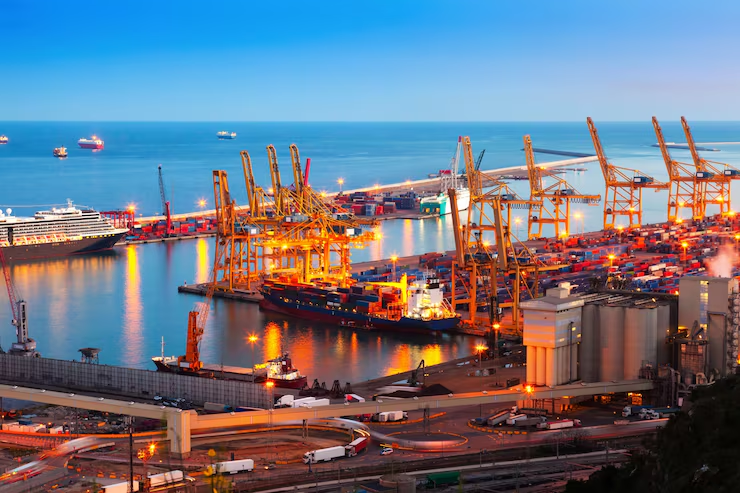
The port sector plays a vital role in supporting India’s trade and commercial activities and is largely driven by the country’s expanding external trade. According to the Ministry of Shipping, nearly 95% of India’s trade by volume and about 70% by value is handled through the shipping and ports sector.
India currently has 12 major ports along with 205 notified minor and intermediate ports. Under the Sagarmala programme, six new mega ports are planned for development across the country. As with other infrastructure sectors, the Government of India plays a crucial role in the sector’s growth and has recently permitted 100% Foreign Direct Investment under the automatic route for port and harbour construction and maintenance projects.
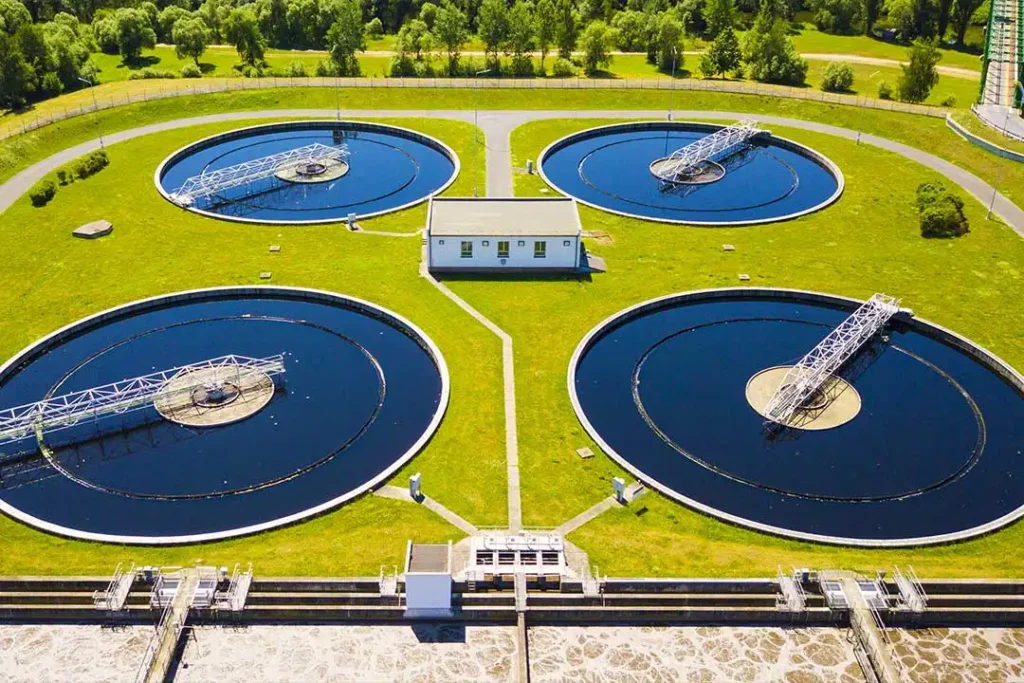
Water plays a critical role in the country’s economic development, and effective management of water resources is essential for sustainable growth. Water scarcity can have a significant negative impact on GDP and, in India’s case, could reduce GDP by up to 6%. Industrial activities currently contribute around 30% of India’s GDP and are expected to require nearly four times their present water consumption by 2030.
In recent years, the Union Government has given top priority to the water sector, adopting a holistic approach to water management. Several initiatives and schemes have been launched to improve water resource management and ensure equitable access to clean and potable water for all.
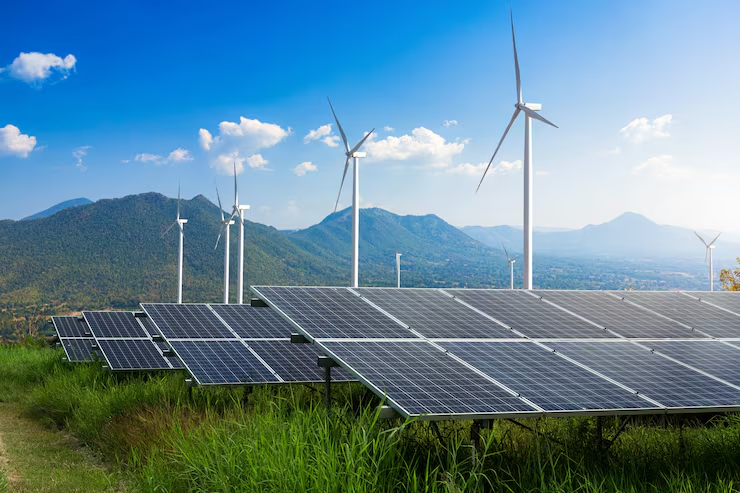
India’s renewable energy sector has witnessed strong growth in recent years and is now the fourth most attractive renewable energy market globally. Renewable sources account for 23.39% of the country’s total installed power generation capacity of 368.98 GW. As a result, India ranks fourth in wind power capacity, fifth in solar energy, and fifth overall in installed renewable energy capacity.
Between FY 2016 and FY 2020, the sector recorded a CAGR of 17.33%. With enhanced government support and increasing adoption of clean energy, the sector is attracting significant investments from private equity, sovereign wealth funds, and other investors.
India has set an ambitious goal to meet and surpass its energy demand by 2040 through expanded energy supply, with renewable energy playing a crucial role. The country plans to add 30 GW of renewable energy capacity in the desert regions along its western border, primarily in Gujarat and Rajasthan.
Recent initiatives by the Government of India led to the electrification of all villages by April 2018, with 25 states achieving 100% household electrification.
The Ministry of Power set a conventional power generation target of 1,356 Billion Units (BU) for 2021–22, reflecting a growth of approximately 9.83% over the actual conventional generation of 1,234.608 BU in 2020–21.
India also made significant progress in the World Bank’s Ease of Doing Business rankings for “Getting Electricity,” rising from 137th position in 2014 to 22nd position in 2019.
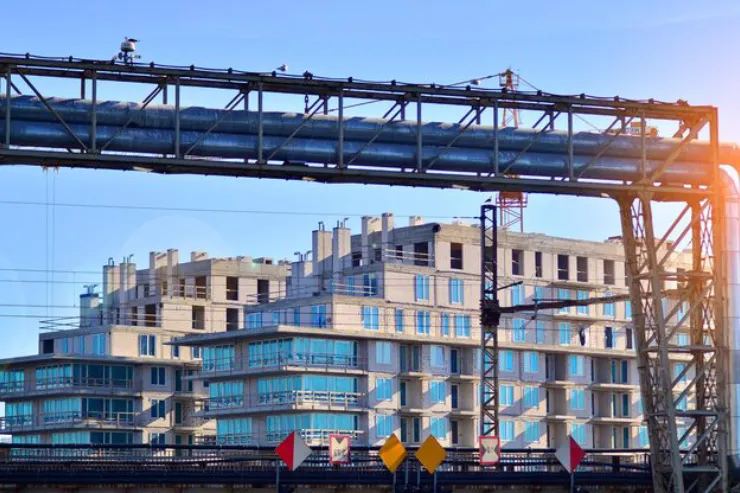
The buildings and real estate sector in India comprises four key segments: housing, retail, hospitality, and commercial. The real estate industry ranks third in terms of its direct, indirect, and induced impact across the economy. Sustained housing demand, increasing requirements for office spaces, and growth in retail and hospitality are strongly supported by India’s expanding middle-income population and a favorable corporate environment.
Industrial and manufacturing projects have emerged as one of India’s high-growth sectors. Government initiatives such as Make in India aim to position the country as a global manufacturing hub. The Government of India has set a target to generate 100 million new jobs in the manufacturing sector by 2022.
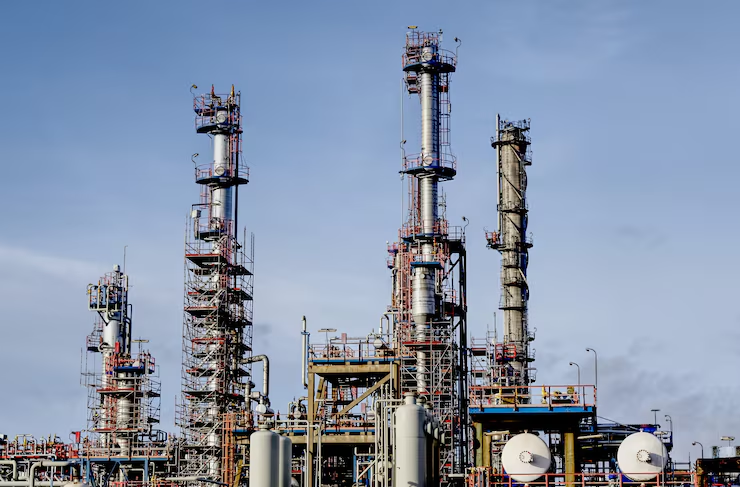
India is the world’s third-largest energy consumer, with the oil and gas sector being one of the country’s eight core industries. In recent years, the Government of India has implemented several policy initiatives to address the rising demand for oil and gas. The sector permits 100% Foreign Direct Investment across natural gas, petroleum products, refineries, and other related sub-sectors. Key policies such as the Open Acreage Licensing Policy (OALP) and Coal Bed Methane (CBM) have been introduced to encourage greater investment. The sector was expected to attract investments of around US$25 billion in exploration and production by 2022.
India’s economic growth is closely linked to its energy requirements, and consequently, demand for oil and gas is projected to rise significantly. The industry is undergoing major transformation and presents some of the most attractive investment opportunities in the country.
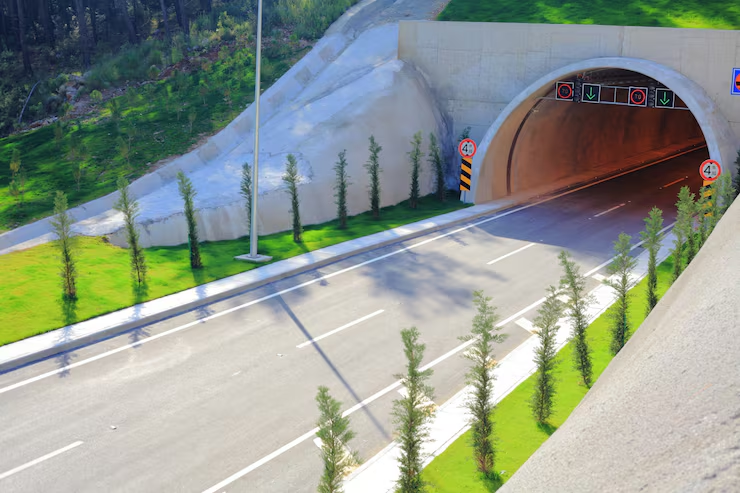
The tunnel sector in India is closely linked with allied sectors such as roads, railways, water resources, and hydropower. Investments in tunnelling are largely driven by expenditure in roads, highways, railways, and hydropower projects. Hydropower contributes the highest share of tunnel development, followed by roads/highways and railways. Currently, India has a tunnel network spanning approximately 3,418 km, of which 61% has been completed, 32% is under construction, and the remaining 7% has been recently awarded.
Since 1950, India has invested around ₹88,100 crore in irrigation infrastructure, creating a potential of 91 million hectares. According to India Water Vision 2025, the country’s gross water demand across multiple uses is expected to double, requiring an estimated investment of ₹20,000 crore annually. At present, India’s irrigation infrastructure is expanding by 1.8 million hectares with public investment of about ₹7,000 crore per year, which represents nearly one-third of the required investment.
Steel Mantra Global is a unique B2B digital collaboration platform for the Infrastructure and Construction industry.
We offer :
Vendor Discovery
Get Quotes
Find Opportunities
Material Procurement
Buy, sell and hire Plant & Equipment
Financing
Insurance
Sector Intelligence & 75+ Schedule of rates
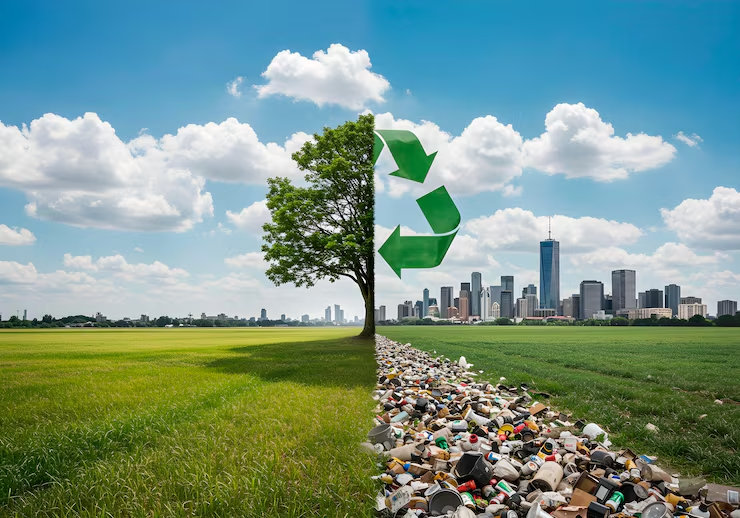
India generates approximately 62 million tonnes of waste every year. Of this total, less than 60% is collected, and only about 15% undergoes processing, while the majority ends up in landfills. These landfills are responsible for the third-highest level of greenhouse gas emissions in the country, making solid waste management a critical national concern.
According to the Press Information Bureau, India’s waste includes both recyclable and non-recyclable materials, with an annual growth rate of 4%. Waste generated in habitable areas is broadly categorized into organic, dry, and biomedical waste. However, only 42.9% of this waste is collected, and merely 10% is treated, with the remainder disposed of in landfills or open dumping sites.
Steel Mantra Global is a unique B2B digital collaboration platform for the Infrastructure and Construction industry.
We offer :
Vendor Discovery
Get Quotes
Find Opportunities
Material Procurement
Buy, sell and hire Plant & Equipment
Financing
Insurance
Sector Intelligence & 75+ Schedule of rates